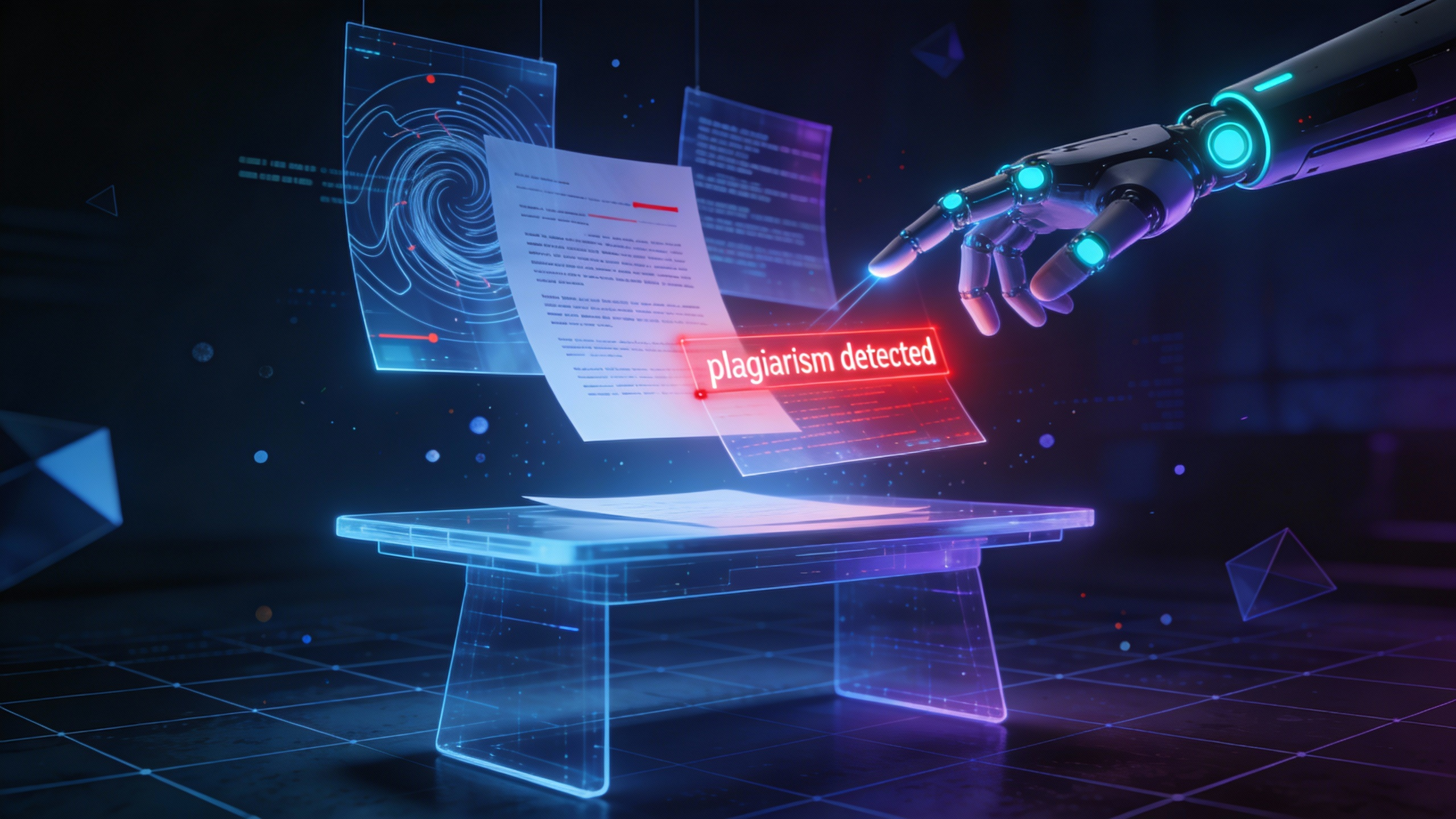
AI academic dishonesty issues have become a growing concern as artificial intelligence tools become more accessible in education. While AI offers powerful support for learning it also raises serious questions about plagiarism cheating and the authenticity of student work. From AI generated essays to automated problem solving educators and institutions are now facing new challenges in maintaining academic integrity while still embracing technological progress.
How AI Contributes to Academic Dishonesty: Understanding the Challenges and Implications
Estimated reading time: 5 minutes
- 89% of students admit to using AI for assignments, raising concerns about academic integrity.
- AI facilitates academic dishonesty through text generation and sophisticated evasion techniques.
- Current detection methods face significant limitations, leading to ethical dilemmas.
- Educational institutions must adapt policies and educate students on ethical AI use.
- Proactive, ethical strategies are essential for maintaining academic integrity in the age of AI.
Table of Contents
- The Role of AI in Academic Dishonesty
- Detection Challenges and Limitations
- Broader Implications and Ethical Concerns
- Conclusion
- FAQ
The Role of AI in Academic Dishonesty
Text Generation and Submission
One of the most prevalent ways AI facilitates dishonesty is through text generation. Students can easily produce essays, homework, and reports using generative AI technologies. Many opt to copy and submit this AI-generated content directly, occasionally making minor edits to present it as their own original work. This practice not only undermines the spirit of academic work but also poses a serious challenge for educators striving to uphold academic standards. As documented in a study by Packback, the rise of these tools has made it easier than ever to evade traditional forms of assessment.
Paraphrasing to Evade Detection
AI isn’t just limited to generating text—it also has the capability to paraphrase content effectively. Tools specifically designed for paraphrasing can take AI-generated text and alter its structure enough that it slips past detection systems like Turnitin or Originality.AI. Tests have repeatedly shown that once AI output is paraphrased, detection software attributes it to a human author. This issue highlights a significant flaw in current academic integrity strategies, as pointed out in research by the International Society for the Advancement of Cybernetics and Information Processing.
Advanced Evasion Techniques
Moreover, students are employing advanced techniques to further dodge detection tools. By employing multiple AI programs or slightly modifying the outputs, students create content that is remarkably challenging for traditional classifiers to identify. This adversarial method of cheating fuels a growing arms race between students wanting to bypass detection and educators trying to maintain academic standards. The implications of such behavior extend beyond student dishonesty; they challenge the credibility of educational systems as a whole (CCCS).
Fabrication and Style Mimicry
Adding complexity to the issue, AI can fabricate sources or mimic a student’s unique writing style, which complicates both automated reviews and manual assessments. With tools capable of changing tone and voice, discrepancies that may traditionally indicate academic dishonesty are now blurred. Educators face the daunting task of discerning genuine student work from AI-generated submissions, as outlined by the University of Southern California’s Academic Integrity Office.
Detection Challenges and Limitations
Current Detection Methods
In an effort to combat these challenges, many institutions rely on AI detectors like Turnitin’s AI Writing Detection or Originality.AI. While these tools can effectively flag direct AI output, they struggle with paraphrased content. Tools employing machine learning algorithms, such as logistic regression and decision trees, face significant limitations, as noted in studies conducted by Northern Michigan University and others. Furthermore, failures in detection technology can lead to both false positives and ethical dilemmas regarding student privacy and fairness (MIT Sloan).
The Problem of Over-Reliance
Many educational institutions, including prestigious universities like Cornell and MIT, caution against over-reliance on AI detection tools. Their reports indicate that these tools do not achieve 100% accuracy and often create an atmosphere of mistrust between students and faculty (Cornell University Teaching). As the arms race between students and institutions continues, the educational landscape is at a crossroads.
| Detection Method | Strengths | Weaknesses |
|---|---|---|
| Raw AI Classifiers | Flags direct ChatGPT/Bard output effectively | Fails post-paraphrasing; prone to false positives |
| Hybrid Human-AI Review | Accounts for context; checks writing inconsistencies | Time-intensive; requires evidence of style shifts |
| Assessment Redesign | Uses oral exams, projects, or personalized tasks | Doesn’t address all scenarios |
Broader Implications and Ethical Concerns
The rise of AI academic dishonesty issues brings forth a range of ethical concerns. One pressing issue is the potential invasion of privacy and discrimination inherent in some detection systems. For instance, AI tools designed for forensic analysis can produce biased outcomes, raising questions about their ethical soundness. Policymakers and educators must grapple with these implications as they seek to restore integrity in educational settings.
Navigating the Ethical Minefield in AI academic dishonesty issues
Ideally, institutions should implement clear policies regarding AI usage while simultaneously educating students on ethical boundaries. Tools alone are insufficient to ensure academic integrity. A balanced strategy that combines technology with thoughtful human oversight is crucial. Research emphasizes the importance of establishing transparent discussions on integrity, rather than focusing solely on punitive measures against dishonesty (American Psychological Association).
Actionable Strategies for Educational Institutions
- Educate Students: Regular workshops and courses should be instituted to educate students on the ethical use of AI in their academic work.
- Revise Assessment Techniques: Incorporate varied assessment methods such as oral exams, projects, or personalized tasks that are difficult for AI to handle.
- Encourage Transparency: Create an open dialogue around academic integrity and the use of AI tools, fostering a collaborative environment between faculty and students.
- Implement Hybrid Review Systems: These can balance the efficiency of automated detection with the contextual understanding of human reviewers.
- Adapt Policies: Institutions should continuously adapt their academic integrity policies to keep pace with evolving technology, ensuring they address emerging challenges effectively.
Conclusion of AI academic dishonesty issues
AI’s role in academic dishonesty represents a significant challenge for institutions striving to uphold integrity and foster genuine learning. While the capabilities of AI can enhance educational experiences, they also pose risks that must be carefully managed. As we navigate this complex landscape, adopting a proactive, ethical approach will be essential for educators and students alike. By understanding the limitations of current detection methods and emphasizing education over punishment, we can begin to forge a path toward a future where academic integrity thrives alongside technological advancement. Embracing the complexities of AI while ensuring accountability and ethical standards will ultimately empower the next generation of learners.
FAQ
What is AI-driven academic dishonesty?
AI-driven academic dishonesty refers to the unethical use of AI tools by students to complete assignments or deceive educators, compromising academic integrity.
How does AI contribute to academic dishonesty?
AI contributes through text generation, paraphrasing, fabrication of sources, and advanced evasion techniques that make detection challenging for educational institutions.
What are the ethical concerns surrounding AI detection tools?
Concerns include potential biases in AI detection systems, privacy invasion, and the effectiveness of these tools in maintaining academic integrity without mistrust between students and faculty.
How can institutions respond to the rise of AI dishonesty?
Institutions can respond by revising policies, educating students about ethical AI use, promoting transparency, and implementing hybrid detection methods that combine technology with human oversight.
Why is education on AI ethics important?
Education on AI ethics is crucial to empower students to make informed choices regarding AI use in academics, facilitating a culture of integrity and ethical engagement with technology.