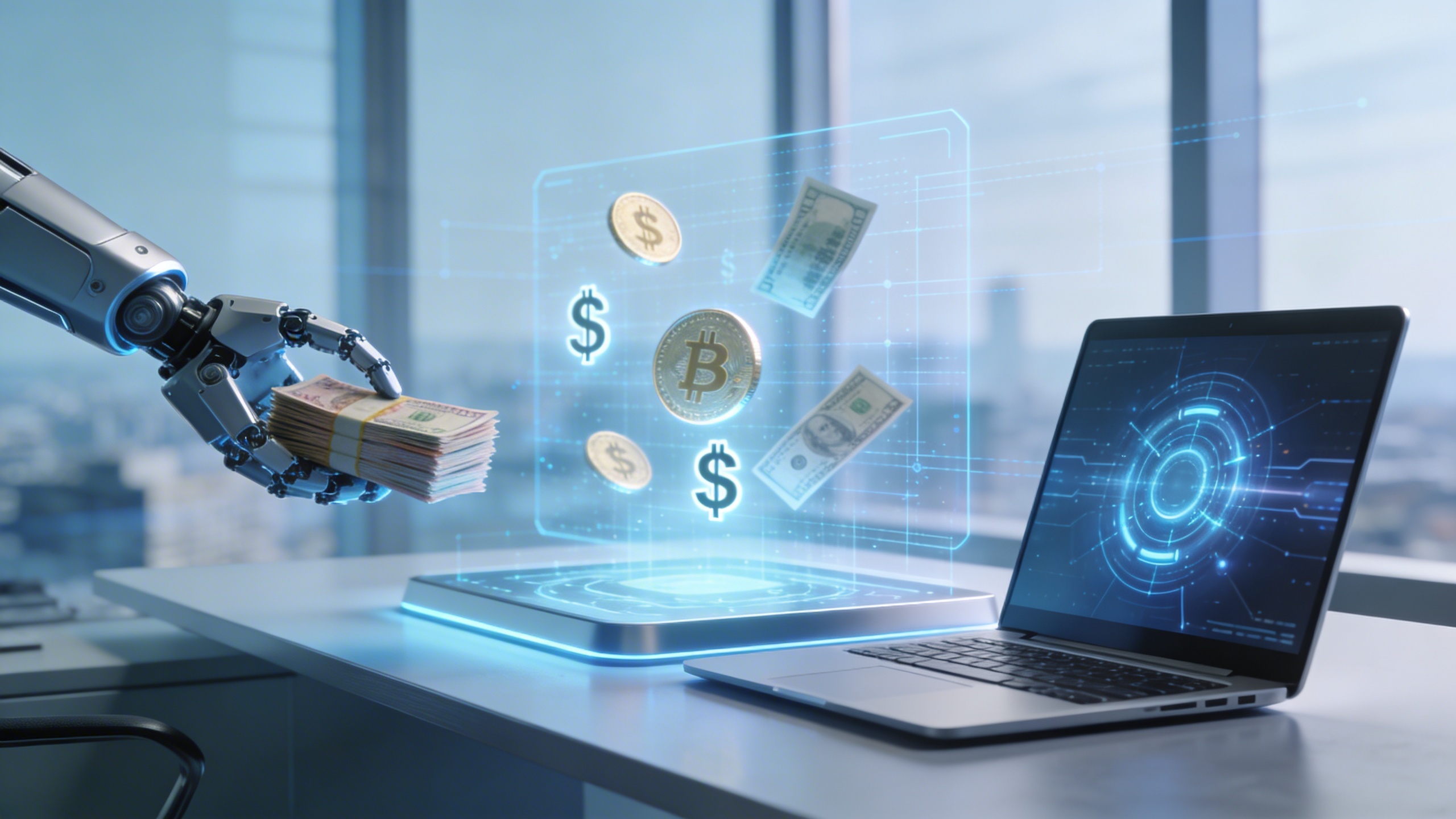
AI art side hustle 2026 is becoming one of the most exciting opportunities for creatives who want to turn artificial intelligence into income. With advanced image generation tools producing high quality visuals in minutes, artists and entrepreneurs can launch profitable side businesses without traditional design training. In 2026, the strongest opportunities include print on demand stores, digital art downloads, book covers, social media content packages, stock image bundles, and client commissioned artwork. AI art can also be used to create assets for games, websites, and marketing campaigns. The key is not just generating images, but positioning them correctly. Choosing a niche such as fantasy art, minimalist home decor prints, tattoo designs, or motivational wall art can help you stand out in competitive marketplaces. In this guide, you will discover practical strategies to build and monetize an AI art side hustle in 2026, turning creative prompts into scalable income streams.
From Prompt to Profit: Building Your AI art side hustle 2026
Estimated reading time: 7 min read
Key Takeaways
- An AI art side hustle 2026 leverages generative AI tools to create and monetize artwork through scalable, often passive income streams with minimal upfront investment.
- Proven monetization avenues include selling digital art & NFTs, print-on-demand products, freelance services, educational content, licensing, and membership models.
- Essential tools range from AI generators like Midjourney, DALL-E, and Pic Lumen to design and business platforms like Canva and WordPress.
- Success hinges on niching down, diversifying income, strategic marketing, and continuously adapting to the fast-evolving AI landscape.
- A practical 5-step launch plan can help you go from zero to your first sale within a week.
Table of Contents
Understanding the AI art side hustle 2026 Ecosystem
First and foremost, it’s crucial to define what we mean by an AI art side hustle. Essentially, it involves leveraging generative AI tools like Midjourney, DALL-E, Stable Diffusion, and emerging platforms like Pic Lumen to produce original artwork, which is then monetized through various channels such as direct sales, licensing, print-on-demand merchandise, and freelance services. This model is uniquely attractive because it offers scalable, often passive income with minimal upfront investment, making it viable for both beginners and professional artists alike.
The demand for unique, algorithmically-generated art is growing rapidly across industries, from advertising to entertainment. Accordingly, the opportunity is not just in creating pretty pictures, but in fulfilling specific commercial needs and artistic niches. For instance, common strategies successfully employed today include selling unique digital pieces on platforms like Etsy or Artsy, licensing artwork for commercial use, creating physical merchandise via print-on-demand services, and offering customized freelance services on marketplaces like Fiverr.
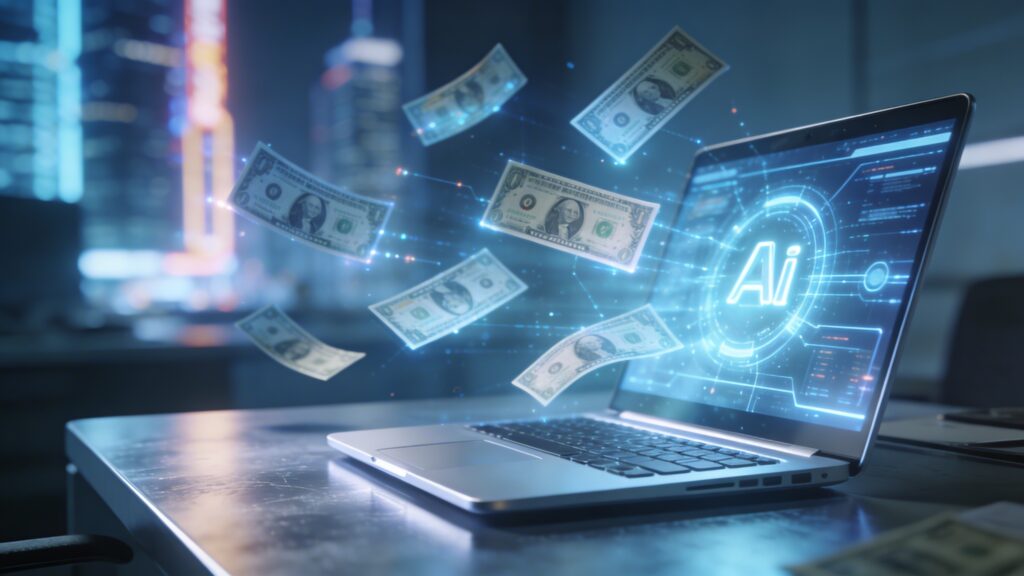
Core Monetization Avenues: AI art side hustle 2026
Having established the foundation, let’s delve into the proven methods for generating revenue. Diversification is key to building a resilient side business; therefore, consider blending several of the following approaches.
Selling Digital Art and NFTs
Primarily, this avenue focuses on creating and selling digital files or tokenized artworks. You can generate cohesive collections or standalone pieces in popular styles like cyberpunk, fantasy, or surrealism using accessible tools such as Deep Dream Generator or Artbreeder. Subsequently, you can sell these as downloadable prints on established marketplaces like Sellfy or Etsy, where customers purchase the rights to use the image for personal purposes. Alternatively, you can mint your art as Non-Fungible Tokens (NFTs) on blockchain marketplaces. This not only provides collectible value but also can include smart contracts that pay you royalties on all future resales, creating a potential for ongoing passive income from a single piece of work.
Print-on-Demand (POD) Products
Simultaneously, print-on-demand presents a remarkably hands-off physical product stream. The process is straightforward: you upload your AI-generated designs once to a platform like Redbubble, Teespring, or Printful. Then, these platforms handle the printing, fulfillment, and customer service whenever an order is placed for items like t-shirts, mugs, posters, or phone cases featuring your art. Consequently, this model eliminates inventory risk and upfront costs, translating your digital art into a source of truly passive income as the system operates automatically.
Freelance and Commission Services
Furthermore, offering custom AI art services leverages your prompting skills to solve specific problems for clients. Many creators, authors, musicians, and businesses need unique visuals but may lack the budget for a traditional illustrator. This is where you can step in. For example, you can offer packages for custom album or podcast covers, compelling book covers, detailed storybook illustrations, or even sets of trading cards. Platforms like Fiverr and Upwork are excellent for finding initial clients, while proactively reaching out to potential customers on social media or through niche communities can yield higher-value projects.
Creating Educational Content and Tutorials
As you gain expertise, another lucrative path emerges: teaching others. The rapid evolution of AI art tools creates a constant demand for learning. You can create and sell online courses, eBooks, or video tutorials that teach specific skills—such as mastering Midjourney prompts for a particular style, building a passive income stream with POD, or marketing your digital art. For instance, some successful creators sell focused courses for as much as $13.99 or more, building an educational brand alongside their artistic one.
Licensing and Exclusive Commissions
Additionally, for higher-value transactions, consider art licensing and exclusive commissions. Licensing involves selling the rights for a company to use your existing AI art in their advertising, product merchandising, or game development. Conversely, commissions involve creating bespoke artwork based on a client’s detailed brief, often granting them exclusive rights to the final image. Typically, both these methods command significantly higher prices than standard sales, as they provide direct commercial value to the buyer.
Memberships and Scaling through Automation
Finally, to build consistent recurring revenue, explore membership models. You could offer a monthly subscription where patrons receive a pack of exclusive, high-resolution AI artworks. Moreover, the true power of AI lies in scalability. You can develop efficient workflows—potentially using APIs or batch-processing features in tools—to generate large volumes of themed art for stock marketplaces or to quickly populate your own storefronts. This approach leverages machine learning not just for creation, but for systematizing your business output.
Essential Tools and Getting Started
Now that the monetization map is clear, what do you need to begin? Fortunately, the barrier to entry is surprisingly low.
AI Art Generation Platforms:
To start with, you have a range of powerful tools at your disposal. Free or low-cost options are excellent for experimentation. For example:
- Pic Lumen is highlighted for its user-friendly features like prompt enhancement and batch downloading, making it ideal for beginners looking to produce volume.
- Midjourney, accessible via Discord, is renowned for its highly aesthetic and detailed outputs, particularly favored for fantastical and realistic styles.
- OpenAI’s DALL-E, often integrated into other apps, is known for its ability to handle complex and descriptive prompts accurately.
- Runway ML and Artbreeder offer more granular control over styles and genetics of images, useful for fine-tuning.
Secondary Design and Business Tools:
After generation, your artwork often needs finishing touches or integration. Subsequently, a tool like Canva is invaluable for adding text, creating product mockups (like seeing your design on a t-shirt), or assembling collections like coloring book pages. Then, to present your work professionally, build a simple online portfolio using website builders like WordPress, Wix, or Shopify. This serves as your central hub, building credibility and directing traffic from your social media marketing efforts.
Strategic Tips for Sustainable Success
Transitioning from making a first sale to building a sustainable side hustle requires strategy. Here are actionable tips distilled from successful creators:
- Develop and Refine Your Workflow: Initially, focus on creating a repeatable process. This means developing effective prompt libraries, mastering the use of negative prompts to avoid unwanted elements, and establishing a pipeline for editing and upscaling your best outputs. Ultimately, the goal is to enable bulk production without sacrificing quality, using the AI’s learning capabilities to refine outputs based on your curated preferences.
- Niches Are Your Best Friend: Instead of creating random art, target specific niches. For instance, focus on “futuristic abstract backgrounds for gamers,” “cottagecore wildlife illustrations,” or “minimalist logo concepts for tech startups.” Consequently, this makes your marketing more focused, helps you build a dedicated audience, and allows you to become a known creator within a community.
- Diversify Your Income Streams: As emphasized earlier, don’t rely on a single method. A robust side hustle might combine selling a few NFTs, running a Redbubble store, taking on two freelance commissions a month, and earning trickle income from an old tutorial video. This diversification protects against market fluctuations in any one area.
- Market with Purpose: Simply posting art online isn’t enough. You need a marketing plan. Share your creative process, and before-and-after edits, and talk about your niche on platforms like Instagram, TikTok, and Twitter. Importantly, engage with trends and use relevant hashtags to increase discoverability. Collaborate with other artists or influencers in your niche for cross-promotion. Remember, platforms provide global reach, but you must strategically put your work in front of the right eyes.
- Prioritize Learning and Adaptation: The AI art field evolves at breakneck speed. Therefore, commit to continuous learning. Follow leading AI artists, experiment with new tool updates, and stay informed about legal discussions regarding copyright and AI. Your ability to adapt and use the latest techniques will be a significant competitive advantage.
Your Actionable Launch Plan
To translate all this information into action, here is a simple 5-step plan to launch your AI art side hustle this week:
- Choose Your Tool and Practice: Sign up for one primary AI art generator (like a Midjourney trial or a free tool like Pic Lumen). Spend the first two days generating hundreds of images based on a niche you’re passionate about. Learn the intricacies of prompting.
- Select Your First Monetization Channel: Based on your interest, pick one method to start. For example, “I will open a Redbubble store and upload 10 themed designs about vintage sci-fi book covers.”
- Create Your Portfolio Hub: Set up a simple, free website or a dedicated Instagram profile. Populate it with your 10 best images, clearly stating your niche and the services you offer or products you sell.
- Make Your First Sale or Offer: This is crucial. List your products, or post on Fiverr offering a “Custom AI Book Cover” gig for a low introductory price. Your first transaction validates the process and provides momentum.
- Analyze and Iterate: See what gets attention or sells. Then, double down on that style or theme. Refine your prompts, improve your product descriptions, and engage with anyone who likes or comments on your work.
In conclusion, building an AI art side hustle is less about being the best traditional artist and more about becoming a savvy creative director and entrepreneur. It merges an understanding of AI technology, market trends, and basic business principles. The tools are now accessible, the demand is growing, and the models for monetization are proven. While success requires a dedicated strategy and consistent effort, the potential for creating scalable, rewarding passive and active income has never been more achievable. So, start prompting, start publishing, and begin building your artistic enterprise in the age of intelligent creation.
AI art side hustle 2026 (FAQ)
What is an AI art side hustle?
An AI art side hustle involves using generative AI tools like Midjourney or Pic Lumen to create original artwork that is then monetized through various channels such as digital sales, print-on-demand, freelance services, and more. It’s a scalable business model with low upfront costs.
Do I need artistic skills to start an AI art side hustle?
No, prior drawing or traditional artistic skills are not required. Success hinges more on understanding AI prompting, market niches, and basic business strategies. However, an eye for design and composition can be beneficial.
What are the best platforms for selling AI art?
Popular platforms include Etsy for digital downloads, Redbubble for print-on-demand, NFT marketplaces for tokenized art, and Fiverr for freelance services. Diversifying across multiple platforms is often recommended.
Is AI-generated art legal to sell?
Generally, yes, but it depends on the terms of service of the AI tool and jurisdiction. Most platforms allow commercial use of generated images, but you should always check the specific licensing terms. Avoid infringing on existing copyrights or trademarks.
How much can I earn from an AI art side hustle 2026?
Earnings vary widely based on effort, niche, and strategy. Some creators earn a few hundred dollars monthly from passive streams like POD, while others make thousands through commissions, licensing, or educational content. Consistency and smart marketing are key factors.