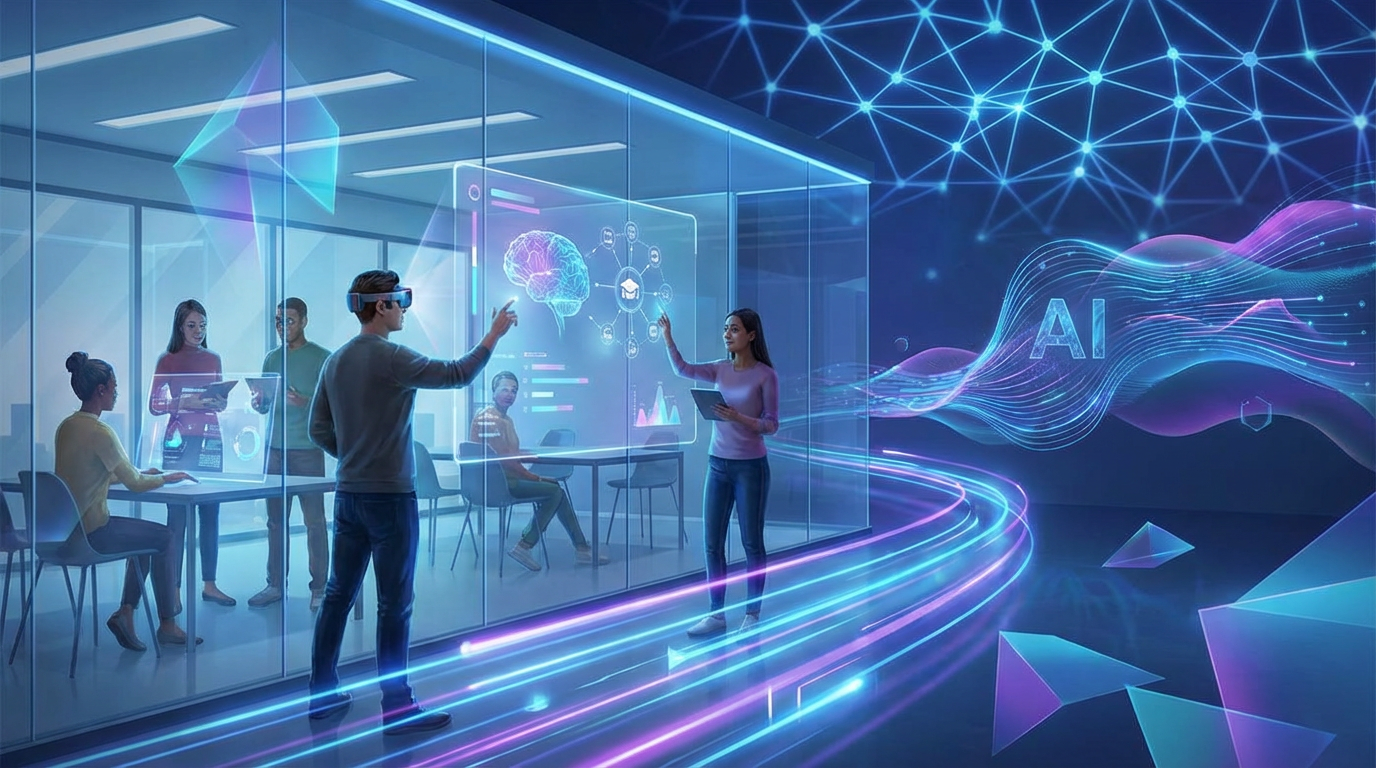
AI in Adaptive Learning Platforms is redefining the way people learn in the digital age. Instead of one size fits all education AI powered systems analyze learner behavior progress and preferences to deliver personalized content in real time. This approach helps students stay engaged learn at their own pace and receive support exactly when they need it. As adaptive learning platforms continue to evolve artificial intelligence is making education more effective accessible and responsive than ever before.
How AI is Shaping the Future of Adaptive Learning Platforms
Estimated Reading Time: 5 minutes
Key Takeaways on AI in Adaptive Learning
- AI enhances personalized learning experiences through real-time adjustments.
- Adaptive learning platforms improve engagement, accessibility, and efficiency.
- Data-driven insights help educators tailor instructional strategies.
Table of Contents
- Understanding AI-Driven Adaptive Learning
- Core Mechanisms of AI Contribution
- Key Benefits of AI in Adaptive Learning
- Real-World Applications and Platforms
- Implementation Steps for AI-Driven Adaptive Learning
- Conclusion: Embracing the Future of Adaptive Learning
- FAQs
Understanding AI-Driven Adaptive Learning
AI in Adaptive Learning platforms utilize AI technologies to tailor educational content and pathways to individual learners. These platforms track user behavior, progress, and preferences, making real-time adjustments to enhance the learning experience. Sources such as AWS and Coursera underscore that AI can personalize content, adjust difficulty levels, and provide targeted feedback, effectively meeting learners where they are and addressing their unique needs.
Core Mechanisms of AI Contribution
- Analyzing Learner Data: AI systems process vast amounts of learner data, encompassing behavior, participation levels, and identification of knowledge gaps. By analyzing these patterns, AI can predict individual needs and competencies, providing a foundation for personalization.
- Personalizing Content and Paths: AI enables real-time adjustments in lessons based on performance. Skilled learners can be advanced to more challenging content, while those struggling may receive remedial support.
- Generating Feedback and Assessments: AI-powered platforms provide immediate feedback, helping learners understand their mistakes and areas for improvement.
- Automating Curation and Optimization: Continuous monitoring and analytics allow AI to curate and optimize learning experiences, tailoring educational journeys that minimize redundancy and maximize effectiveness.
Key Benefits of AI in Adaptive Learning
- Enhanced Engagement and Retention: Personalized learning paths foster a sense of ownership and motivation.
- Improved Accessibility and Equity: By leveraging inclusive design, adaptive platforms can effectively serve diverse learners.
- Efficiency Gains: AI platforms enable precise targeting of weaknesses, facilitating accelerated skill development.
- Data-Driven Insights for Educators: The analytical capabilities of AI provide educators with invaluable insights.
Real-World Applications and Platforms
AI is transforming adaptive learning across various sectors, particularly in education and corporate training:
- K-12 and Higher Education: Platforms like Adaptemy and Smart Sparrow utilize AI to provide dynamic coursework.
- Corporate Training: Solutions such as Absorb LMS enable organizations to customize employee training programs.
- Special Needs and Rehabilitation: AI is instrumental in offering personalized interventions for learners with special needs.
Implementation Steps
- Define Objectives: Establish clear educational goals and identify the specific needs of your learners.
- Deploy into Learning Management Systems (LMS): Integrate AI-driven personalization engines into existing LMS environments.
- Continuous Monitoring and Refinement: Leverage analytics to continuously evaluate learner progress.

Conclusion: Embracing the Future of Adaptive Learning
These platforms platforms have the potential to transform educational experiences by making them more personalized, equitable, and efficient. By embracing these changes, organizations can foster environments that are inclusive, engaging, and centered on student success. Ethical design principles are essential, especially when catering to learners with special needs.
FAQs
A: Adaptive learning platforms utilize AI to personalize educational content based on individual learner data.
A: AI personalizes learning paths, making the content more relevant and engaging for learners.
A: Yes, AI can provide tailored interventions that cater to the unique challenges faced by learners with special needs.