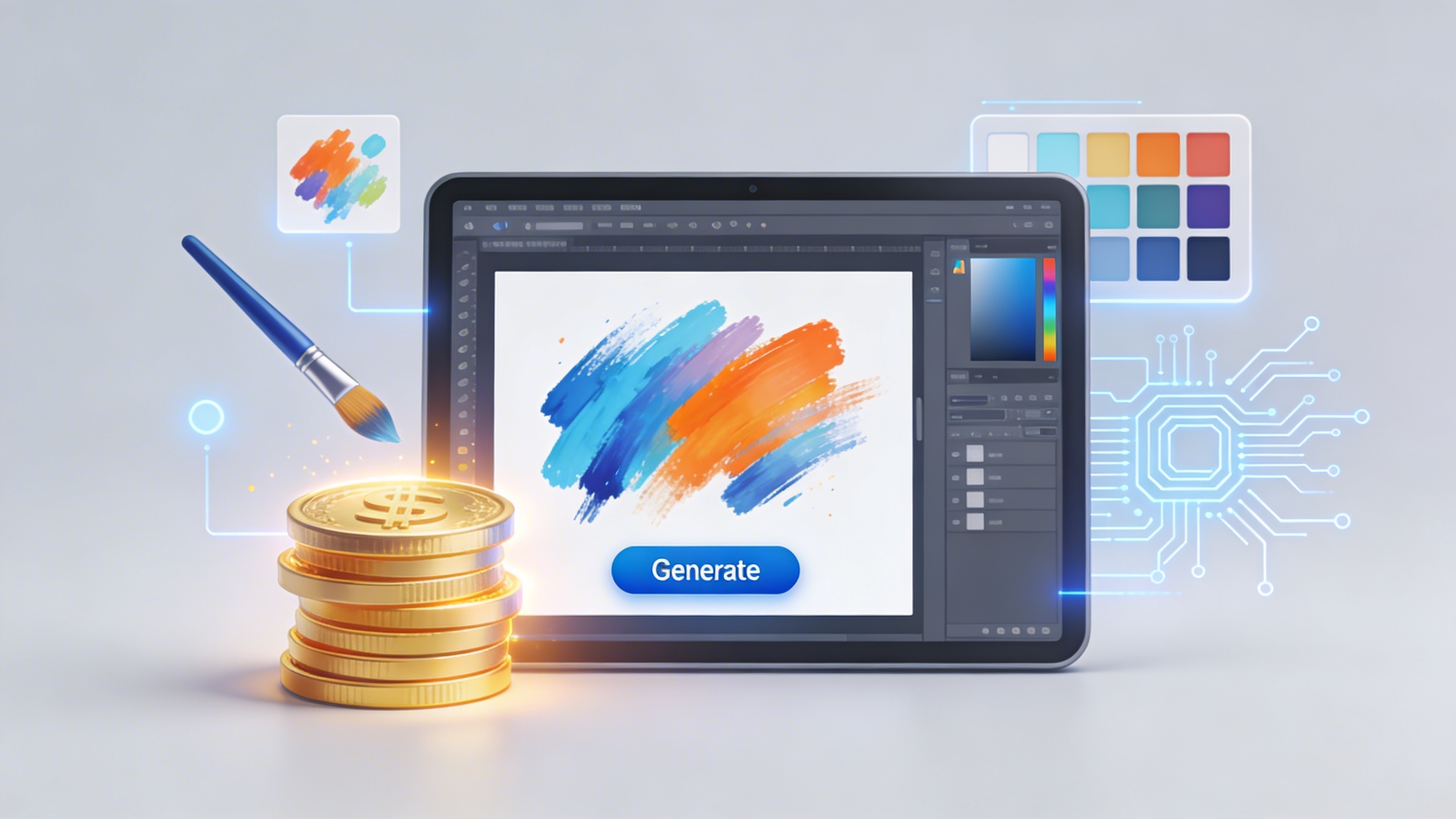
Make Money with AI Art is quickly becoming one of the most accessible ways for creators and entrepreneurs to generate income online. With modern AI image tools anyone can create high quality digital art prints designs and visual assets without traditional artistic training. From selling prints and merchandise to offering custom artwork and digital downloads AI art opens new opportunities to turn creativity into scalable profit.
How to Make Money with AI Art: Your 2026 Guide to Passive Income and Creative Entrepreneurship
Estimated reading time: 10 minutes
Key Takeaways
- AI art offers a low-barrier entry to creative entrepreneurship with minimal upfront costs and no inventory management.
- Multiple revenue models exist, including digital products, print-on-demand, and licensing, enabling passive income streams.
- Platforms like Etsy, Gumroad, and Gelato simplify selling and scaling your AI art business.
- Success hinges on creativity, ethical practices, strategic platform choice, and understanding market demand.
- Beginners can start by mastering AI tools, defining a niche, and implementing basic marketing strategies.
Table of Contents
Introduction
In the rapidly evolving landscape of artificial intelligence, one of the most exciting developments is the democratization of creative expression and monetization. Consequently, learning how to make money with AI art has transitioned from a niche hobby to a legitimate and accessible income stream for tech-savvy individuals and artists alike. Specifically, in 2026, AI art has become a viable income stream, with creators generating passive income through digital products, print-on-demand services, and licensing arrangements, as highlighted by Printful. Moreover, this opportunity particularly appeals to beginners because creation costs are nearly zero, with no inventory or shipping requirements, according to insights from YouTube. Therefore, this comprehensive guide will delve into the practical strategies, platforms, and critical considerations for building a sustainable business around AI-generated artwork. Ultimately, by embracing these methods, you can position yourself at the forefront of this innovative market.
The Rise of AI Art as an Income Stream
Firstly, understanding the foundational shift is crucial for leveraging AI art monetization. Historically, artistic endeavors required significant investment in tools, training, and time; however, AI tools have dramatically lowered these barriers. As a result, individuals can now produce high-quality, unique artworks with minimal upfront costs, enabling scalable business models. Furthermore, the demand for AI artwork is exploding across multiple categories: home decor, wall art, digital downloads, planners, and social media graphics, as noted in market analyses. Additionally, businesses increasingly use AI-generated artwork for marketing visuals, mockups, and branding assets, expanding the commercial applications. Thus, this growing demand creates opportunities to sell to a global audience of art enthusiasts and commercial buyers, making it an ideal time to enter the space.
Primary Revenue Models for AI Art
To effectively monetize AI art, it is essential to explore the primary revenue models that have proven successful. Subsequently, we will break down each model with actionable insights.
Digital Products
One of the simplest approaches involves selling AI-generated art as digital downloads, including posters, wallpapers, printable wall art, and design bundles, as detailed by Printful. Importantly, digital assets such as prompt packs, design templates, and themed collections also perform well, with automatic file delivery supporting passive income generation. For instance, by creating bundles of AI art prompts or templates, you can cater to other creators looking to streamline their workflow. Additionally, this model minimizes overhead since there are no physical products to manage, allowing for seamless scalability. Consequently, platforms like Gumroad facilitate digital downloads with minimal setup, making it easy to get started.
Print-on-Demand
Alternatively, print-on-demand platforms allow creators to scale their business without managing inventory or fulfillment, a key advantage emphasized by Printful. Specifically, products include posters, apparel, and home décor items, as showcased in tutorials. Moreover, this model enables AI artists to reach a global audience while maintaining full control over branding and pricing, which enhances profitability. For example, by uploading AI designs to services like Gelato, you can offer customized products that are printed and shipped on demand. Therefore, this approach reduces risk and operational complexity, letting you focus on creativity and marketing.
Licensing
Beyond direct sales, licensing AI-generated artworks to brands, content creators, and agencies provides another revenue stream. Notably, these entities increasingly license AI art for commercial use in campaigns and products, as reported by Printful. Furthermore, this approach can yield recurring revenue without the need to manage an online store, though clear usage rights and contracts are essential to avoid disputes. For instance, by drafting specific licensing agreements, you can specify terms for duration, geography, and exclusivity. Thus, licensing not only diversifies income but also builds professional relationships in the creative industry.
Market Demand and Opportunities in AI Art
Understanding market dynamics is crucial for targeting the right audience and maximizing sales. Primarily, the demand for AI artwork spans both consumer and commercial sectors, offering diverse opportunities.
On one hand, consumer interest in unique, affordable art for personal spaces drives sales in home decor and wall art categories. Conversely, businesses seek AI visuals for digital marketing, product mockups, and branding, creating a B2B avenue. Additionally, the rise of digital content creation has spurred need for social media graphics and planners, where AI art can be customized efficiently. Meanwhile, platforms like Etsy provide access to existing demand from art buyers, simplifying market entry. Consequently, by identifying niche segments—such as fantasy art for gamers or abstract designs for modern offices—you can tailor offerings to specific audiences. Ultimately, this strategic positioning enhances visibility and conversion rates.
Best Platforms to Sell AI Art
Selecting the right platforms is a critical step in monetizing AI art effectively. Fortunately, several user-friendly options cater to different business models.
Firstly, easy-to-use platforms like Etsy are ideal for beginners due to their established marketplace and built-in audience. Similarly, online marketplaces such as Gumroad excel for digital downloads, offering tools for automated delivery and pricing flexibility. Additionally, for print-on-demand services, Gelato stands out for its global reach and product variety, as recommended in industry guides. Moreover, specialized tools like EverBee Store facilitate building automated AI art businesses by integrating design generation with e-commerce. Therefore, by leveraging these platforms, you can streamline operations and focus on creative output. However, it is important to compare fees, features, and integration capabilities to choose the best fit for your goals.
Getting Started as a Beginner in AI Art
For those new to AI art monetization, a structured approach can accelerate success. Initially, the process involves selecting an AI art tool that allows commercial use and matches your desired art style.
Common tools include Midjourney, DALL·E, Stable Diffusion, or Leonardo AI, each with unique strengths in realism, abstraction, or control. Subsequently, beginners can use ChatGPT to generate AI art ideas and prompts, then turn those into sellable digital artwork, as demonstrated in tutorials. Furthermore, experimenting with different prompts and styles helps refine your artistic voice and product offerings. Next, marketing strategies such as sharing products on Pinterest to drive organic traffic can boost visibility without ad spend. Additionally, participating in online communities and forums can provide feedback and early adopters. Thus, by combining tool mastery with basic marketing, you can build a foundation for growth.
Critical Success Factors for AI Art Entrepreneurs
Sustaining income from AI art requires attention to several key factors beyond mere creation. Primarily, success depends on creativity, ethical practices, and choosing the right platform, as underscored by Printful.
From a legal standpoint, creators must review tool licenses, understand usage rights, and avoid legal issues by checking images before upload. For example, some AI tools have restrictions on commercial use or require attribution, so diligence is necessary. Moreover, ethical considerations include ensuring originality and respecting copyright norms to maintain reputation. On the business side, strong product positioning, clear presentation, and appropriate pricing strategies are essential for sustainable income generation. Specifically, pricing should reflect value, market rates, and production effort, possibly starting lower to attract initial customers. Consequently, continuous learning and adaptation to trends will keep your offerings relevant and competitive.
Actionable Takeaways and Next Steps
To translate insights into action, here are practical steps to launch your AI art business.
- Start with Tools and Skills: First, choose an AI art tool like Midjourney or DALL·E and practice generating diverse artworks. Then, use ChatGPT for prompt inspiration to expand your portfolio.
- Define Your Niche: Subsequently, identify a target market—such as digital wall art for offices or themed stickers for planners—based on demand research.
- Set Up Your Store: Next, select a platform like Etsy for physical products or Gumroad for digital downloads, and create listings with compelling descriptions and images.
- Implement Marketing: Additionally, leverage Pinterest boards and social media to showcase your art, using keywords and hashtags to improve discoverability.
- Diversify Revenue: Furthermore, explore print-on-demand with Gelato for merchandise and consider licensing opportunities by networking on platforms like LinkedIn.
- Ensure Compliance: Finally, regularly review terms of service for AI tools and platforms, and draft clear licensing agreements to protect your work.
By following these steps, you can systematically build a revenue stream while mitigating risks.
Conclusion
In summary, the potential to make money with AI art is immense, driven by low barriers to entry and expanding market demand. Throughout this guide, we’ve explored revenue models like digital products, print-on-demand, and licensing, all supported by platforms such as Etsy, Gumroad, and Gelato. Moreover, success hinges on creativity, ethical practices, and strategic platform choice, as emphasized in research. Therefore, whether you’re a tech enthusiast or a creative professional, now is the time to harness AI tools and turn artistic visions into income. Ultimately, by staying informed and adaptable, you can thrive in this dynamic industry and contribute to the evolving narrative of AI in creativity.
Frequently Asked Questions (FAQ) about Make Money with AI Art
What is AI art?
AI art refers to artwork generated using artificial intelligence tools, such as Midjourney or DALL·E, where algorithms create images based on text prompts or other inputs.
How can I start making money with AI art?
Begin by selecting an AI art tool, practicing creation, defining a niche, and setting up a store on platforms like Etsy or Gumroad. Focus on digital products, print-on-demand, or licensing as revenue models.
What are the best platforms to sell AI art?
Popular platforms include Etsy for physical products, Gumroad for digital downloads, and Gelato for print-on-demand services. EverBee Store is also a specialized tool for automated AI art businesses.
Is it legal to sell AI-generated art?
Yes, but it’s crucial to review the terms of service of your AI tool for commercial use rights, ensure originality, and draft clear licensing agreements to avoid legal issues.
How much can I earn from AI art?
Earnings vary based on your niche, marketing efforts, and revenue models. Some creators generate passive income through digital products, while others build full-time businesses with print-on-demand and licensing.