
Is ai bad for the environment? It is a question being asked more and more as artificial intelligence becomes part of everyday life. From smart assistants and image generators to massive data centers powering global platforms ai is no longer invisible and neither is its environmental footprint. What once felt like a purely digital technology now has very real physical consequences tied to energy use water consumption and carbon emissions.
At the same time ai is also being used to fight climate change optimize energy systems and reduce waste across industries. This creates a confusing contradiction is ai a hidden environmental threat or a powerful tool for sustainability? To understand the real impact we need to look beyond headlines and examine how ai is built used and scaled in the real world.
Is AI Bad for the Environment? Unpacking the Environmental Impact of Artificial Intelligence
Estimated reading time: 8 minutes
- AI’s electricity consumption contributes significantly to carbon emissions.
- Water usage in AI operations exacerbates global water scarcity.
- E-waste from AI hardware poses serious environmental challenges.
- AI has potential positive applications for sustainability when used responsibly.
Table of Contents
- The Negative Environmental Impact of AI
- Electricity Consumption and Carbon Emissions
- Water Usage Crisis
- Electronic Waste (E-Waste)
- Additional Environmental Concerns
- Conflicting Data
- Potential Positive Contributions of AI
- Projections and Policy Responses
- Practical Takeaways
- Conclusion
- FAQ
Is ai bad for the environment?
AI’s environmental footprint is significant, primarily driven by electricity consumption, water usage, carbon emissions, and e-waste generated by data centers. Below, we answer the question: Is ai bad for the environment?
1. Electricity Consumption and Carbon Emissions
One of the most pressing concerns related to AI technologies, particularly generative models and large language models (LLMs), is their high electricity consumption. Training sophisticated models like OpenAI’s GPT-4 involves processing billions of parameters, requiring massive amounts of energy often sourced from fossil fuels. This extensive electricity use results in greenhouse gas emissions that exacerbate climate change, threaten biodiversity, and pose numerous health risks, including respiratory issues like asthma (Southern New Hampshire University, MIT News).
A lifecycle analysis reveals that training a single large AI model can emit about 493 metric tons of CO2. If current growth rates persist, it’s projected that AI could contribute 24 to 44 million metric tons of CO2 annually by 2030 (Wikipedia). Alarmingly, even idle servers generate emissions during their manufacturing phases (Southern New Hampshire University).
2. Water Usage Crisis
Beyond electricity, AI’s water consumption poses another serious threat. Data centers, which house the servers and hardware required for AI operations, often rely on freshwater for cooling. This exacerbates water scarcity, particularly in regions already struggling with drought. For instance, training the GPT-3 model could use around 700,000 liters of water, while a single prompt can consume anywhere from 0.26 to 500 mL depending on geographical location (Wikipedia).
Projections indicate that by 2027, AI could withdraw approximately 4.2 to 6.6 billion cubic meters of water globally—an amount exceeding the total annual consumption of a country like the UK (Wikipedia). Major tech companies like Microsoft and Google reported water increases of 34% and 20% respectively, a troubling trend for resource-stressed areas like Iowa and Phoenix (Wikipedia).
3. Electronic Waste (E-Waste)
The creation and deployment of AI systems require specialized hardware, leading to increased electronic waste containing hazardous materials like mercury and lead. By 2030, the impact of AI could contribute an additional 1.2 to 5 million metric tons of e-waste, potentially constituting up to 12% of the global e-waste projected at 82 million tons (Wikipedia).
Moreover, the production and transportation of new hardware come with indirect emissions, adding another layer to AI’s ecological toll (MIT News). With over half of new data centers established since 2022 situated in water-scarce regions, the ramifications for the environment could be dire (Southern New Hampshire University).
4. Additional Environmental Concerns
If Is ai bad for the environment extend beyond direct resource consumption. For example, AI can inadvertently exacerbate climate issues through the increased exploration of fossil fuels or by encouraging consumption patterns via personalized marketing (Wikipedia). Local environmental impacts, including increased air pollution and ozone depletion, have also been reported near data centers. In a notable 2025 lawsuit, xAI was accused of violating the Clean Air Act by using unpermitted methane turbines in Memphis (Wikipedia).
5. Conflicting Data
While various sources generally concur on the negative impacts of AI, they often differ in the scale of these effects. For instance, the water consumption per AI prompt can vary dramatically—ranging from 0.26 mL to 500 mL for different models. This inconsistency highlights the complexity of quantifying AI’s environmental impact and the necessity for standardized reporting frameworks (Wikipedia).
Potential Positive Contributions of AI
Despite its considerable adverse effects, AI also presents opportunities for mitigating environmental harm when applied thoughtfully. Specific applications can result in substantial benefits en route to sustainability.
1. Optimizing Resource Usage
AI can be instrumental in enhancing efficiency across various domains. For example, Google’s Project Green Light uses AI to optimize traffic signals, leading to reductions in vehicle emissions by improving traffic flow (Wikipedia).
2. Advancements in Renewable Energy
AI technologies are increasingly being utilized to improve the efficiency of renewable energy sources, aiding in grid management, material innovations, and tracking critical environmental changes like deforestation and rising sea levels (Wikipedia, MIT News).
3. E-Waste Management
Emerging applications of AI in robot-assisted recycling can significantly diminish e-waste by efficiently sorting and processing electronic materials, thereby lessening the environmental burden posed by traditional waste disposal methods (Wikipedia).
Projections and Policy Responses
Given the escalating demands of AI applications, a crucial question arises: how can we leverage AI’s capabilities while minimizing its environmental impact? As AI technology continues to thrive, the proliferation of data centers further intensifies emissions and resource use (National Education Association, Cornell University).
In response to these challenges, governments are beginning to introduce oversight and regulations for AI infrastructure, acknowledging the need to mitigate its environmental consequences (Wikipedia). Moreover, AI models may be adjusted to achieve lower ecological impact, albeit at some potential cost to accuracy (Wikipedia).
Experts emphasize the importance of lifecycle assessments (LCA), the implementation of renewable-powered data centers, and the adoption of efficient models. Sustainable policies in both industry and educational frameworks are essential to cultivate a future where AI and environmental stewardship coexist harmoniously (Southern New Hampshire University, National Education Association).
Practical Takeaways if Is ai bad for the environment?
For businesses and individuals interested in harnessing AI without compromising environmental integrity, consider the following actionable insights:
- Promote Energy Efficiency: Evaluate the energy sources powering your AI infrastructures. Favor renewable energy whenever possible to reduce carbon footprints.
- Reduce E-Waste: Invest in hardware that is designed for longevity and recyclability. Adopt practices that incorporate AI technologies for efficient recycling processes.
- Support and Advocate for Policy Changes: Engage with local and national legislation advocating for sustainable AI practices, regulatory oversight, and improved lifecycle assessments.
- Engage in Ongoing Education: Stay informed on the latest AI technologies and their environmental impacts. Learning about the potential negative and positive contributions can help shape more balanced usage.
- Implement AI for Sustainability: Leverage AI tools and models that focus on optimizing resource use in industries (like agriculture and energy), driving towards a more sustainable future.
Conclusion
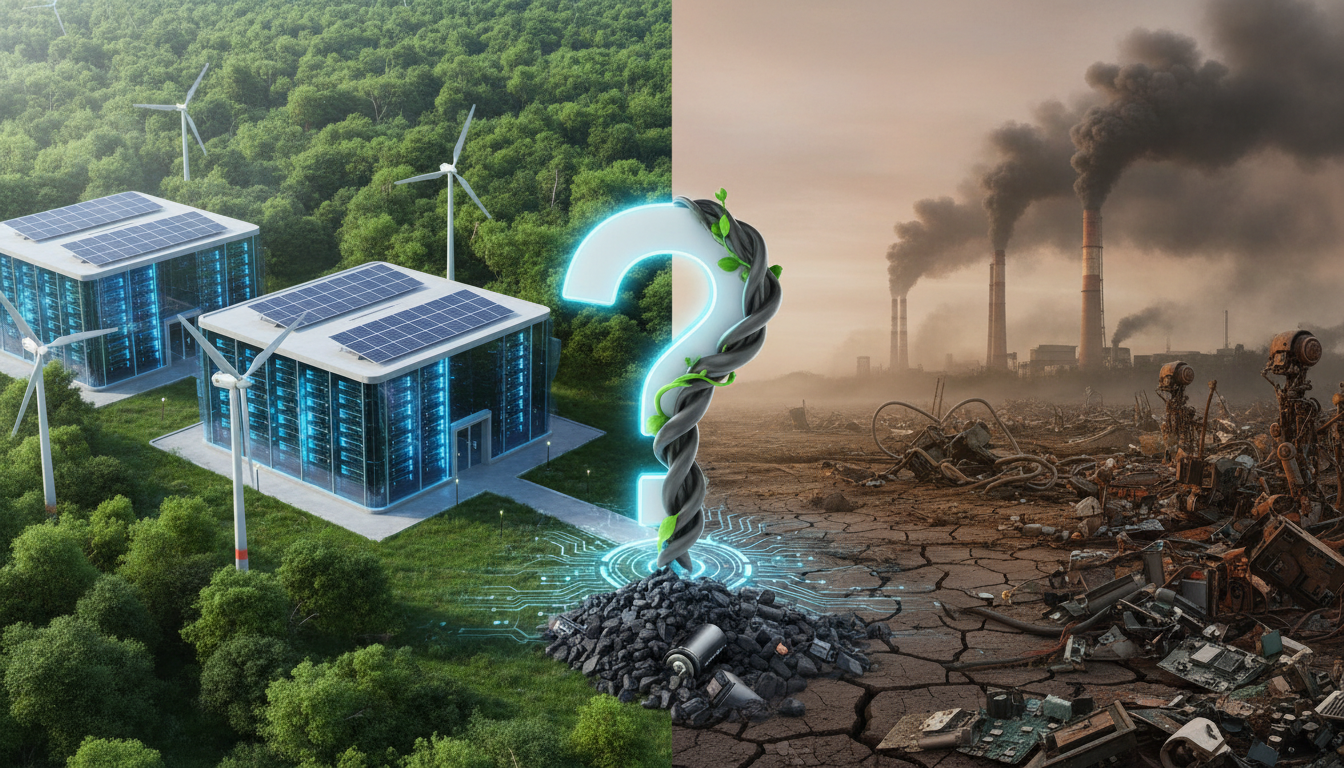
The question of whether Is ai bad for the environment? is complex and multifaceted. While AI’s resource demands present significant ecological challenges, the technology also holds the potential to foster environmental sustainability through innovative applications. Moving forward, the key lies in the balance between leveraging AI’s capabilities and implementing responsible practices that prioritize ecological health. As stakeholders in this industry, our diligent efforts can lead to a future where AI enhances rather than harms our environment.
FAQ
Q: So Is ai bad for the environment??
A: The main impacts include high electricity consumption, significant water usage, increased e-waste, and emissions contributing to climate change.
Q: Can AI have positive environmental effects?
A: Yes, AI can optimize resource usage, improve efficiency in renewable energy, and assist in e-waste management.
Q: What can individuals do to minimize the environmental impact of AI?
A: They can promote energy efficiency, support policies for sustainable AI practices, and engage in ongoing education about AI’s environmental effects.